
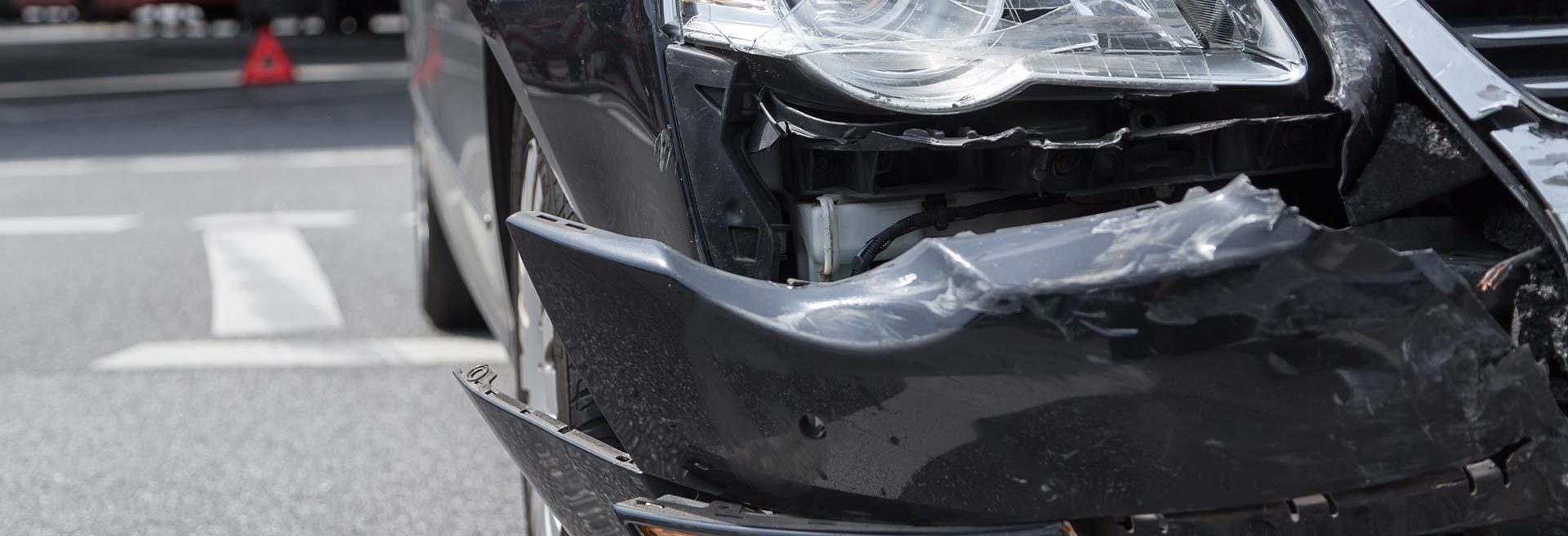
Once again, the German transport ministry is trying a ministerial tweak to bail out drivers caught by the speed-camera network. This time the idea is a rule that would let many exceed the limit by a generous margin before a fine is due. The press call it a "hint"; I would rather call it a collision with the guide-post.
Because the actual legal situation is clear. Speed limits are not suggestions, they are binding traffic rules. Anyone who breaks them takes part of the risk they pose to other road users. The fine is there not to fund local budgets but to remind us, briefly and painfully, that we live in a shared traffic system.
If the legislature now wants to tolerate a certain buffer — say, 10 km/h in town — it must explain on what road-safety rationale that rests. Because that is what the Federal Constitutional Court asks when rules are challenged: does the state action have a reasonable purpose, and is the means proportionate? The "goodwill for drivers" justification is unlikely to survive that test.
Road accidents in Germany kill around 2,500 people every year. The share caused directly or indirectly by excessive speed is huge. Every additional kilometre per hour increases the kinetic energy of a collision; every additional ten lengthens the braking distance dramatically. A quick look at the physics should be enough to pause the friendly impulse.
As a lawyer working in traffic law, I of course see clients who feel unfairly treated because of a single measurement. Some of them are right; many are not. In the first group, procedural errors, camera problems, disproportionate penalties or unjustified bans are indeed the issue. For that we have the law, and that is what lawyers are for.
What we do not need is a ministerial signal that the rulebook is negotiable if enough voters complain loudly enough. Because every buffer that gets introduced will be perceived by a significant share of drivers as the new limit. 60 will become 70, 100 will become 120. And the next discussion will already be about "softening up" the new limit, too.
Traffic law works only when the rules are enforced with predictable consistency. Anyone who weakens that confidence damages exactly the protection of weaker road users — pedestrians, cyclists, children on their way to school — that the rules exist for. A ministry that sees itself primarily as the drivers' advocate has got the job description wrong.